
The Role of a Garage Door Opener
By Craig Costa | October 13, 2026
A garage door plays an important role in everyday home access, security, and convenience. Whether homeowners are leaving for work, returning with groceries, or protecting their vehicles from changing weather, a reliable opening system makes daily routines easier. Although the door itself receives much of the attention, the mechanism responsible for moving it is equally important. Understanding how a garage door opener works, which features matter, and when professional service may be necessary can help homeowners make informed decisions about their garage door systems.
Understanding the Role of an Automatic Opening System
An automatic opening system allows homeowners to raise and lower a garage door without lifting it manually. With a wall-mounted control, remote, or compatible smart device, users can operate the door with minimal effort. This convenience is particularly helpful for households with busy schedules, multiple drivers, or family members who benefit from easier access.
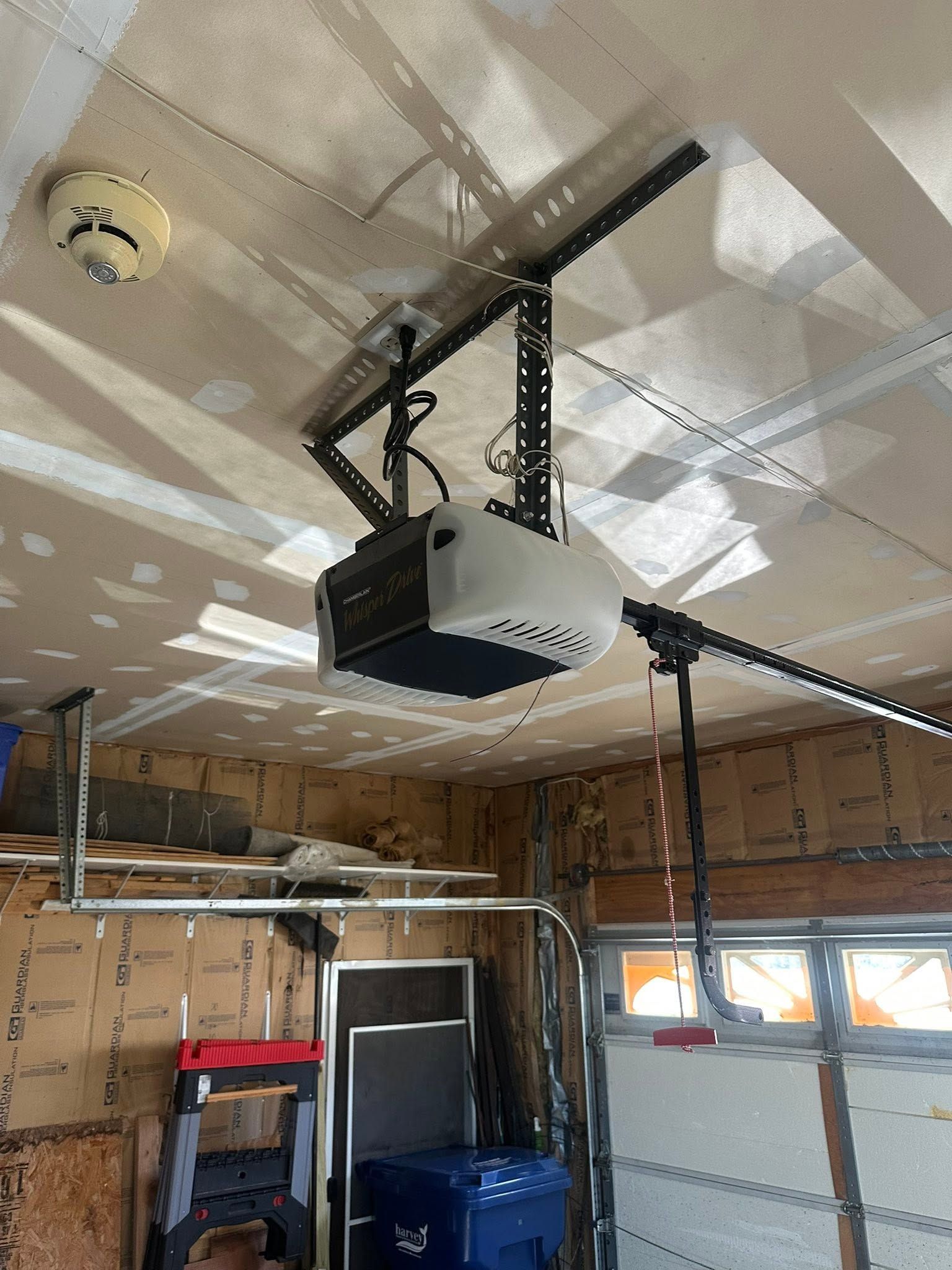
The system coordinates several moving components to support controlled operation. Depending on the design, these components may include a motor, drive mechanism, control board, sensors, and rail assembly. Together, they help the garage door opener move the door along its tracks while responding to user commands and built-in safety features.
However, the motorized system does not work independently of the rest of the door assembly. Springs help counterbalance the door's weight, while rollers, tracks, hinges, and cables support movement. When these parts function correctly, the motor can operate within its intended limits. If the door becomes unbalanced or a mechanical component fails, the motor may experience additional strain.
Exploring the Main Types of Drive Mechanisms
Different drive mechanisms offer distinct advantages, so the best choice depends on the garage's layout, the door's characteristics, and household preferences.
Chain-drive systems use a metal chain to move the door along its track. They are widely used and can be a practical option for many standard garages. However, their moving chains can create more noise and vibration than some alternatives, making installation location an important consideration.
Belt-drive systems use a reinforced belt instead of a metal chain. Their quieter operation can make a garage door opener with this drive mechanism appealing for attached garages located near bedrooms, living areas, or other frequently occupied spaces. Although they may cost more than some basic alternatives, their reduced operating noise can be valuable for households that use the garage throughout the day. Choosing the right garage door opener can help homeowners balance operating noise, convenience, and their household's specific needs.
Screw-drive systems move the door using a threaded steel rod. Their design differs from chain- and belt-driven mechanisms, and performance and maintenance needs vary by model and manufacturer. Temperature changes can also affect certain systems, so local climate and product specifications should factor into the selection process.
A professional can assess the existing door, available overhead clearance, expected usage, and household priorities before recommending a suitable design. Considering these factors helps ensure that the selected equipment fits the property's needs.
Improving Everyday Convenience and Accessibility
One of the clearest advantages of an automatic system is the ability to open the garage without leaving a vehicle. During rainy weather, cold mornings, or busy school-day routines, this feature can save time and reduce unnecessary exposure to the elements. It can also help people who find lifting a heavy door physically difficult.
Remote controls provide straightforward access, while wireless keypads allow authorized household members to enter without carrying a remote. Some systems also support smartphone applications, giving users another way to operate or monitor the door when compatible equipment is installed.
These features can be especially useful for households with changing schedules. For example, a family may appreciate the ability to grant access to a trusted visitor or check whether the garage door has been left open. Available functions vary by model and connectivity, so homeowners should review compatibility before choosing an upgrade.
Smart technology may also provide notifications when a compatible system detects that the door has opened or closed. These capabilities help homeowners stay informed when they are away, although available alerts and remote functions depend on the equipment and its settings.
Supporting Home Security and Safe Operation
Garage access is an important part of residential security. Modern systems may include rolling-code technology, which changes the access code transmitted between the remote and the receiver. This feature helps reduce the risk associated with someone capturing and reusing an older fixed code. However, security also depends on the garage door's physical condition and the responsible management of remotes and access credentials.
Lighting is another useful feature. Some systems automatically illuminate the garage when activated, improving visibility while people enter or exit. Battery backup, available on certain models, can help maintain access during a power outage, although operating cycles depend on the equipment and battery condition.
Safety sensors are particularly important. Photoelectric sensors positioned near the floor detect obstructions in the door's path and can signal the system to stop or reverse. The door should also have a functioning reversal mechanism designed to respond when closing resistance is detected. These protections reduce certain risks but do not eliminate them.
Homeowners should keep children and pets away from moving doors, store remote controls securely, and avoid standing beneath a closing door. Safety features should never replace attentive use or professional inspections. If a door reverses unexpectedly, fails to respond consistently, or does not operate as intended, qualified service can help identify the cause.
Recognizing Signs of Performance Problems
Changes in operation can indicate that a system needs attention. Unusual grinding, rattling, or persistent vibration may point to worn components, loose hardware, alignment problems, or motor-related concerns. A door that moves slowly, stops before reaching the floor, or opens intermittently may also require professional evaluation.
Remote-control problems do not always mean the motor has failed. Signal interference, depleted batteries, receiver issues, and programming concerns can affect communication. Similarly, a door that appears unusually heavy or struggles to move may have a problem with its springs, tracks, rollers, or other mechanical components.
It is important to consider the entire assembly rather than assuming the motor is responsible for every malfunction. Forcing a door to operate when it is binding or unbalanced can increase wear and create a safety hazard. Springs and related high-tension components can cause serious injuries if handled improperly.
Professional garage door opener technicians can inspect the system, identify the source of the problem, and determine whether an adjustment, repair, or replacement is appropriate. Prompt attention may prevent a minor performance concern from developing into a more disruptive issue.
Maintaining Reliable Operation Throughout the Year
Regular maintenance helps keep the garage door system operating as intended. Because the motorized equipment depends on the condition of the door and its hardware, inspections should consider both the powered mechanism and the connected moving parts.
According to This Old House, homeowners should inspect and tighten all nuts, bolts, and screws on their garage doors at least once every 12 months to help maintain safe and reliable operation. This recommendation highlights the importance of monitoring hardware that may loosen through repeated movement. Any inspection should follow the manufacturer's instructions, and components involving springs, cables, or other high-tension parts should be left to trained professionals.
Seasonal changes can also influence performance. Freezing temperatures, moisture, and ice may interfere with door movement or create problems around the bottom seal. During warmer months, frequent use can make existing wear more noticeable. Keeping the entrance clear of debris and other obstructions helps support safer operation throughout the year.
Providing Consistent Door Movement and Functionality
Professional maintenance can include checking the motor's mounting, examining drive components, evaluating safety sensors, and assessing the door's balance. Technicians can also review travel limits and other manufacturer-specified adjustments when needed. These checks are particularly valuable when the door has become noisy, its operation has changed, or its equipment has not been inspected recently.
A well-maintained opening system supports convenience, accessibility, and safer daily use while helping homeowners manage entry to their garages. From choosing the right drive mechanism to recognizing unusual operating behavior, understanding the equipment makes it easier to identify when maintenance or an upgrade may be beneficial.
When your system becomes noisy, unreliable, or outdated, professional guidance can help you determine the next step. Contact Superior Overhead Door to discuss your garage door opener needs, explore available upgrades, and find a garage door opener solution that helps keep your garage accessible and operating reliably.







Share On: