
Why Is My Garage Door Noisy? Common Causes and Quick Fixes
By Craig Costa | September 4, 2026
A garage door should move smoothly without excessive grinding, squeaking, rattling, or banging. When unusual sounds develop, they often indicate that parts are wearing, moving incorrectly, or placing unnecessary strain on the system. Some noises result from relatively minor maintenance concerns, while others point to components that require professional garage door repairs. Paying attention to when a sound occurs and how it changes can help homeowners recognize when an inspection is appropriate.
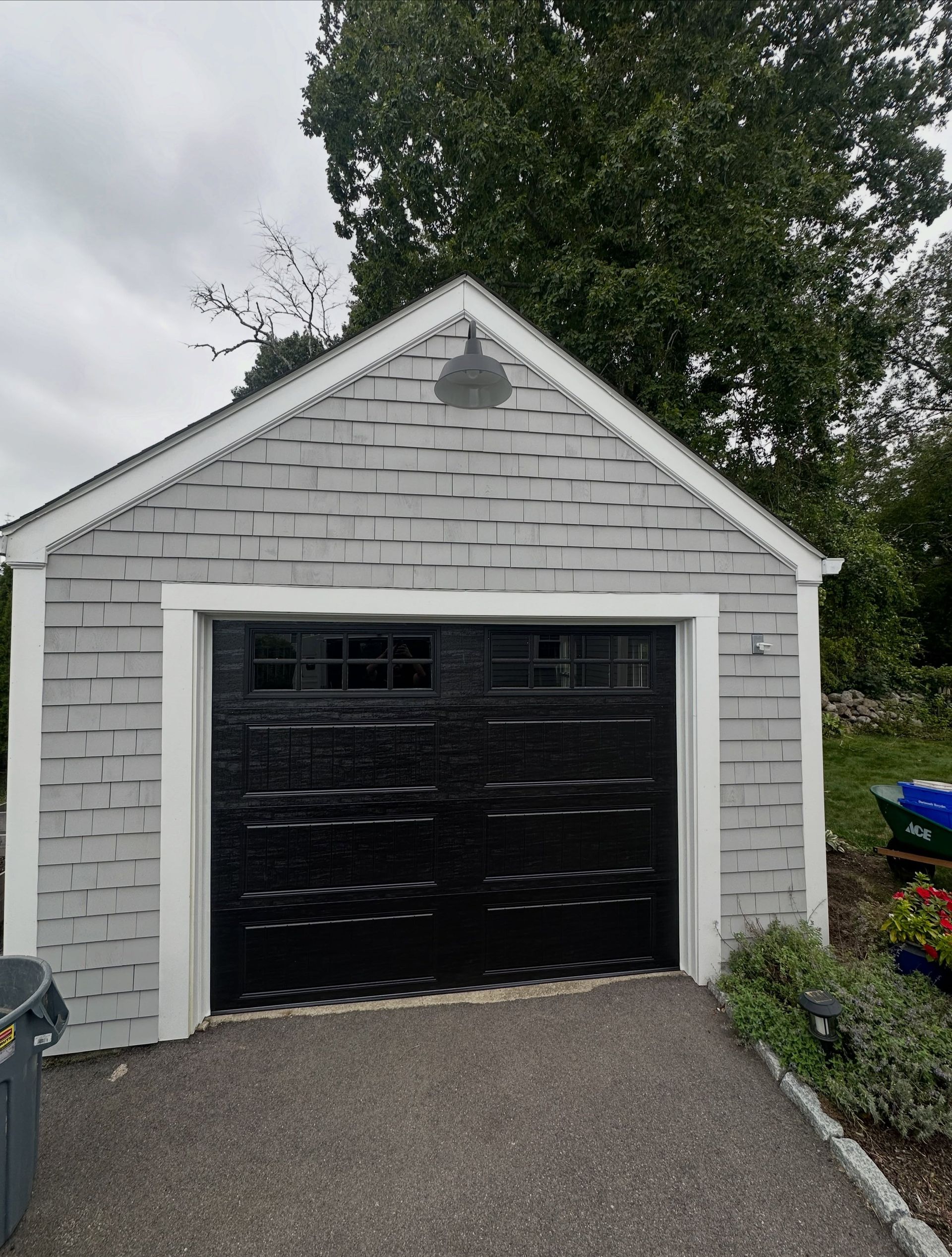
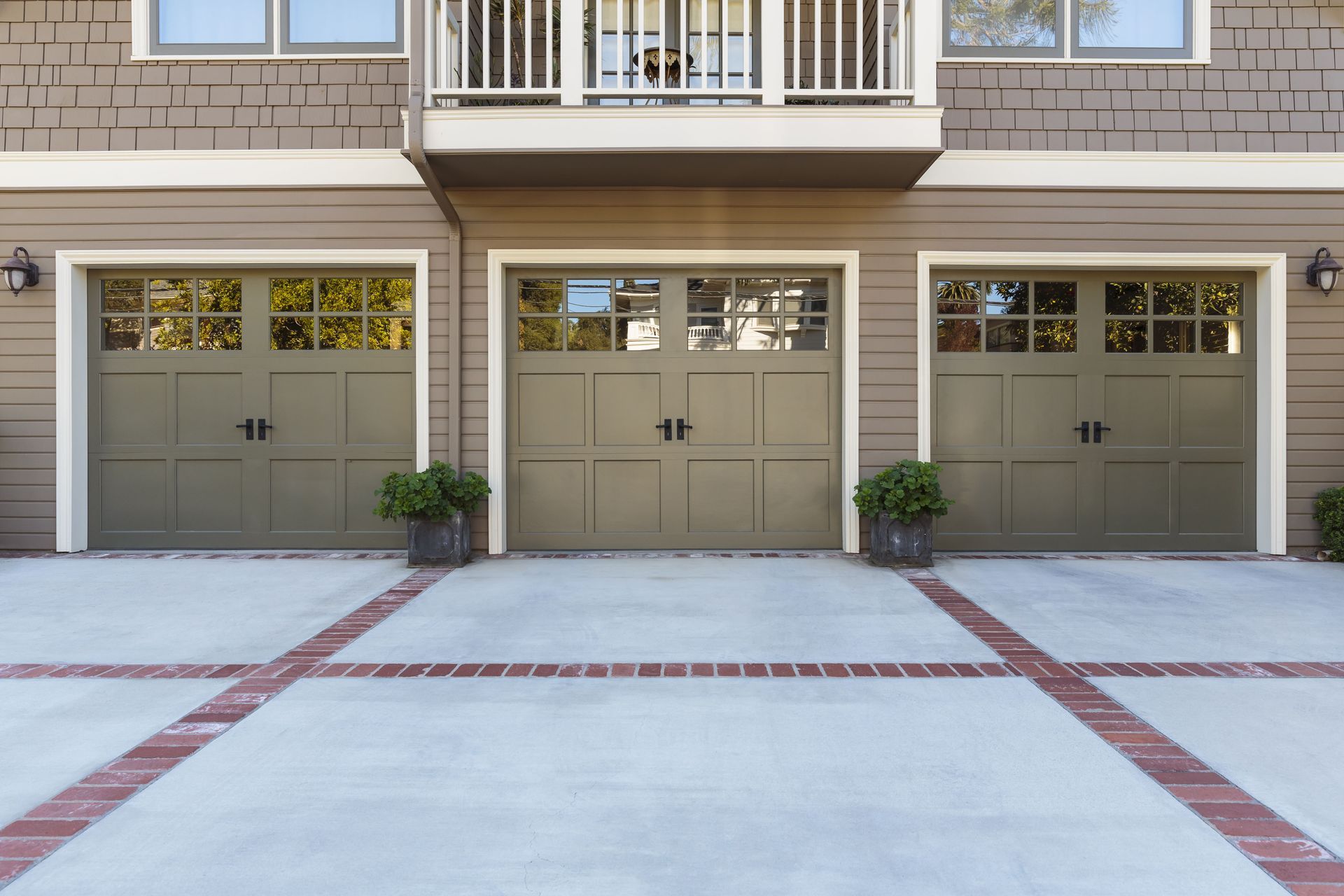
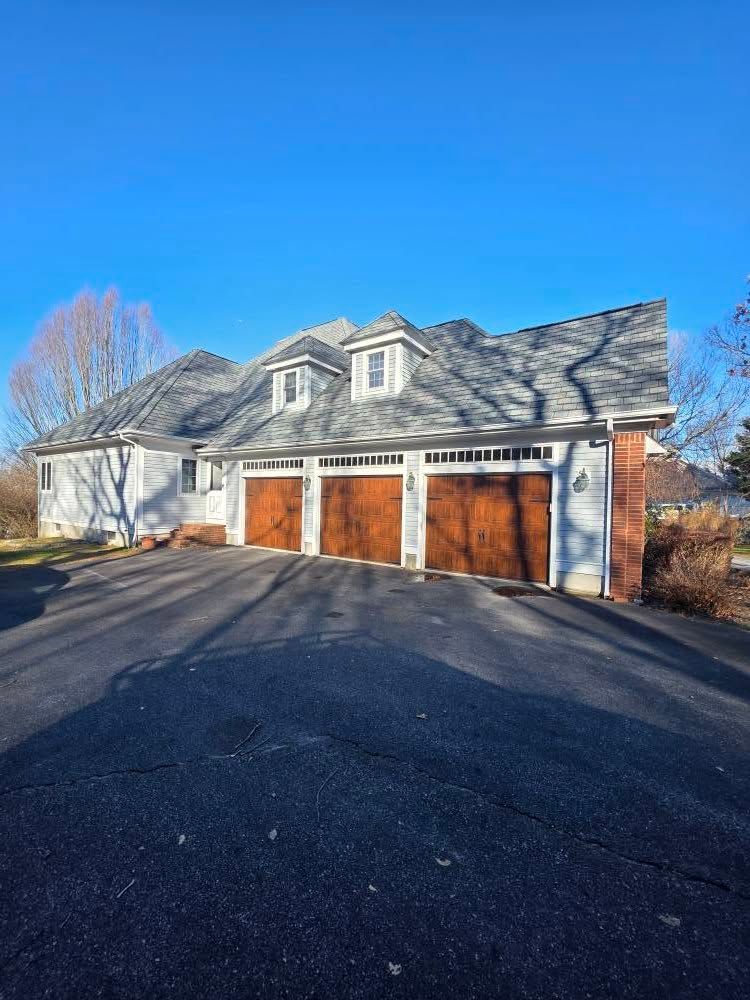
A garage door is also a major part of a home's exterior. According to Garaga, garage doors can represent more than 30% of the front-facing exterior of a house. Keeping the system operating smoothly, therefore, supports both everyday convenience and the condition of a prominent home feature. Understanding common sources of garage door noise can make it easier to recognize problems before they become more disruptive.
Worn Rollers Are Creating Grinding or Squeaking
Aging Rollers Are Becoming Noisy
Rollers guide the door along its tracks every time it opens and closes. As these components age, normal wear can make movement noticeably louder. Worn rollers may produce grinding, squeaking, or scraping sounds as the door travels. The noise can gradually become more pronounced as deterioration continues.
Damaged Rollers Are Moving Unevenly
A roller that becomes damaged may no longer travel smoothly through its track. Uneven movement can create vibration and additional noise while affecting how consistently the door operates. Professional inspection can determine whether the roller or another component is responsible.
Roller Materials Are Affecting Sound
Different roller designs can produce different levels of operating noise. However, a sudden change should not simply be attributed to the roller material. If a previously quiet system becomes loud, garage door repairs may be necessary to address wear or damage.
Professional Service Is Restoring Movement
Because rollers work closely with tracks, hinges, and other moving parts, the complete system should be considered when unusual sounds occur. A technician can identify worn components and determine the appropriate service without relying on noise alone.
Loose Hardware Is Creating Rattling or Vibration
Repeated Movement Is Affecting Connections
A garage door moves hundreds or even thousands of times over its service life. Repeated vibration can affect hardware throughout the assembly. Rattling may become particularly noticeable as the door begins moving or reaches certain positions along the tracks.
Hinges Are Producing Additional Noise
Hinges connect sections of many garage doors and allow them to move as the door transitions between vertical and horizontal positions. Worn or compromised hinges can create squeaking, popping, or rattling sounds during operation.
Fasteners Are Contributing to Vibration
Numerous fasteners help support garage door components. When something no longer remains properly secured, vibration can travel through the system and create noticeable noise. Professional garage door repairs can address the source while checking for related concerns elsewhere in the assembly.
Inspections Are Identifying Hidden Concerns
A noisy connection may not always be obvious from a quick visual check. Professional inspection provides a more complete assessment of hinges, brackets, tracks, and other components that could be contributing to unwanted movement.
Track Problems Are Causing Scraping or Rubbing
Track Alignment Is Affecting Travel
Tracks provide the path that guides the garage door during operation. When their position is compromised, rollers may not travel as smoothly as intended. Scraping or rubbing sounds can develop as parts experience increased contact or resistance.
Track Damage Is Restricting Movement
Dents, bends, or other track damage can interfere with normal roller movement. The door may become noisy at a particular point during opening or closing, making the sound seem to occur at roughly the same place during each cycle.
Obstructions Are Creating Unusual Sounds
Foreign material around the track can sometimes interfere with normal operation. However, homeowners should avoid manipulating components when the cause is uncertain, particularly when the system behaves unpredictably or appears unstable.
Professional Diagnosis Is Protecting the System
Track concerns can place additional stress on connected parts. Arranging garage door repairs when scraping, binding, or abnormal movement develops can help identify the cause before continued operation places greater strain on the system.
Spring Problems Are Producing Popping or Banging
Springs Are Managing Significant Tension
Garage door springs help counterbalance substantial door weight. Because these components operate under high tension, problems involving springs deserve professional attention. Popping, banging, or abrupt changes in movement should never be ignored or treated casually.
Spring Wear Is Changing Performance
Springs can gradually weaken through repeated cycling. A door may become harder for the opener to move, operate less smoothly, or begin producing unfamiliar sounds. These symptoms warrant evaluation by a trained garage door professional.
Broken Springs Are Creating Safety Concerns
A spring failure can prevent normal operation and may be accompanied by a loud bang. Homeowners should not attempt to adjust or replace high-tension components themselves. Professional garage door repairs provide the specialized tools and knowledge required to address spring-related problems safely.
Prompt Service Is Preventing Added Strain
Continuing to operate a door with compromised counterbalance components can place additional demands on other parts. Timely evaluation can determine the extent of the problem and whether connected components have also been affected.
Opener Problems Are Creating Humming or Straining
Motor Strain Is Increasing Operating Noise
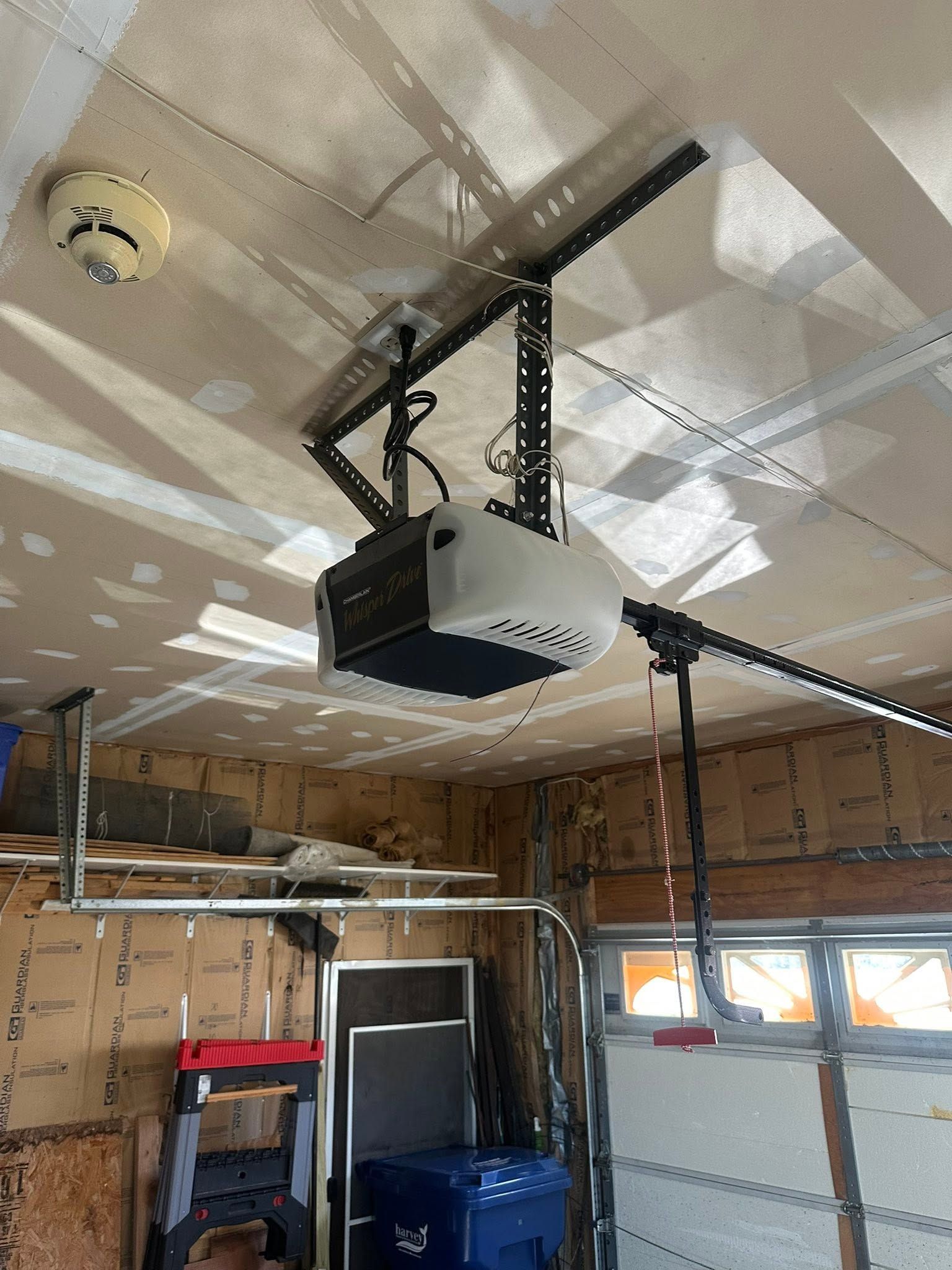
The opener provides the powered movement that raises and lowers an automatic garage door. If the system encounters excessive resistance, the motor may sound louder or appear to strain. That change can indicate a problem with the opener or another component.
Drive Systems Are Producing Different Sounds
Chain, belt, and screw-driven openers have different operating characteristics. Some naturally make more noise than others. A new rattling, grinding, or humming sound is more significant than the normal sound a particular opener has produced for years.
Door Problems Are Affecting the Opener
The opener is not always responsible when motor noise increases. Problems involving rollers, tracks, springs, or balance can make the opener work harder. Professional garage door repairs can determine whether the sound originates with the opener or another part of the system.
Diagnostics Are Locating the Actual Cause
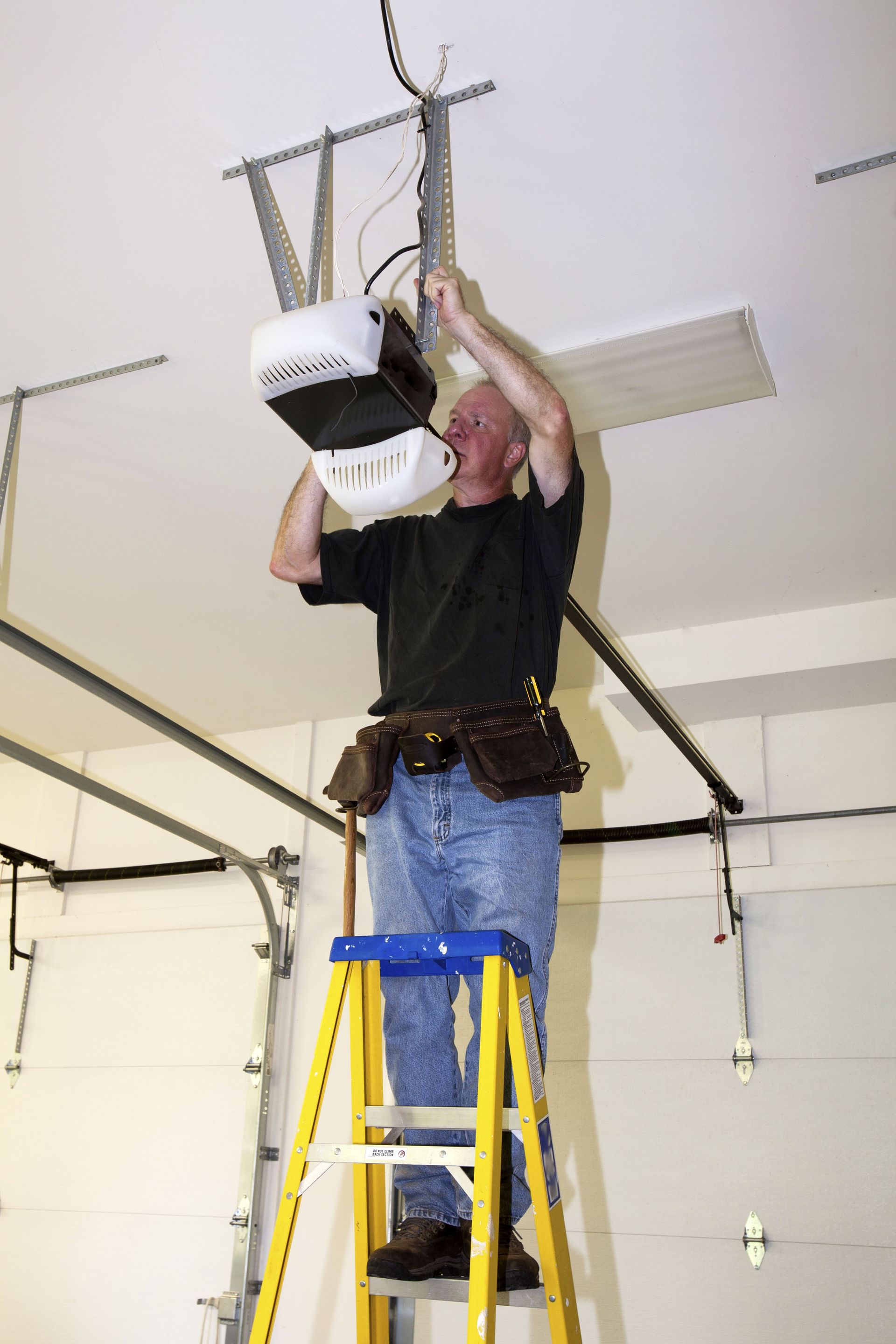
A technician can evaluate the opener while considering how the entire door moves. This system-wide approach helps distinguish an opener problem from mechanical resistance elsewhere and supports a more accurate recommendation.
General Wear Is Making the Entire Door Louder
Multiple Components Are Aging Together
Garage doors consist of interconnected moving parts that experience repeated use. As the system ages, several components may develop wear at the same time. The result can be increased vibration and noise without one immediately obvious source.
Weather Is Affecting Moving Components
Temperature changes, moisture, and seasonal conditions can influence how garage door components perform. Homeowners may notice changes in sound during particularly hot or cold periods, although persistent or severe noise still deserves professional evaluation.
Maintenance Is Supporting Quieter Operation
Professional maintenance provides an opportunity to evaluate wear, movement, balance, hardware, and other operating conditions. When a technician identifies a developing concern, garage door repairs may prevent the problem from progressing into a more disruptive failure.
Changes in Sound Are Providing Warning Signs
Homeowners become familiar with the normal sounds their garage doors make. A new squeal, scrape, bang, grind, or rattle is worth noticing. Changes in movement, speed, or reliability alongside unusual noise make professional inspection even more important.
Noisy garage doors can result from worn rollers, loose hardware, track problems, spring concerns, opener issues, or general system wear. Although some operating sound is normal, sudden or increasingly loud noises can signal that components are no longer working together as intended. Addressing the cause rather than simply tolerating the noise can help preserve dependable operation.
Because garage doors contain heavy moving sections, electrical equipment, and high-tension components, potentially serious problems should be evaluated professionally. Timely garage door repairs can identify worn or damaged parts, reduce unnecessary strain on connected components, and restore smoother operation.
If your garage door has started squeaking, grinding, rattling, or making other unfamiliar sounds, contact Superior Overhead Door today. Our team can inspect the system, identify the source of the noise, and provide professional garage door repairs to restore reliable performance.







Share On: