
7 Warning Signs Your Garage Door Springs Are About to Fail
By Craig Costa | August 20, 2026
Garage doors are heavy, highly engineered systems that rely on counterbalancing tension to raise and lower smoothly every single day. When the springs carrying this immense physical burden begin to wear out, your entire overhead system becomes unsafe and unreliable. Recognizing the subtle warning signs of impending spring failure protects your property, prevents sudden breakdowns, and keeps your family safe.
1. The Garage Door Struggles to Lift or Feels Unusually Heavy
One of the earliest signs of weak torsion or extension springs is a system that suddenly struggles to open. Torsion springs do the actual heavy lifting by counterbalancing hundreds of pounds of steel or wood; the motor on your automatic opener simply provides the direction and motion. If you disengage the emergency release cord while the door is closed and attempt to lift it manually, it will easily stay in place halfway up. If it feels extremely heavy, slips downward immediately, or requires immense physical exertion to raise, your springs have lost their necessary tension.
Continuing to run an automatic opener connected to worn-out springs places extreme stress on the motor's internal gears and drive mechanisms. According to IBISWorld, the market size of the garage door installation industry in the United States is $459.3m in 2026. This growing industry reflects the increasing demand homeowners place on maintaining reliable, functional entryway systems. Rather than risking a total burn-out of your motor, calling local garage door companies to inspect and recalibrate the spring balance can save you from a far more expensive mechanical repair later on.
2. Visible Gaps Appear Between the Torsion Spring Coils
Torsion springs are installed directly above your garage door opening on a solid metal shaft. When a torsion spring reaches the end of its functional life cycle, the metal yields under intense pressure, resulting in a clean break right through the steel coil. If you look up at the center bar above your door frame and notice a two- to three-inch physical gap in the spring, the coil has completely snapped.
When one spring breaks on a dual-spring setup, the remaining spring absorbs double the workload and will almost certainly snap shortly after. You should never attempt to operate an overhead door with a visible gap in the coil, as the remaining components cannot safely handle the unbalanced load. Certified technicians from trusted local garage door companies can safely relieve the remaining pressure, uncoil the broken parts, and install properly rated replacement springs.
3. The Door Closes Too Fast or Slams Down Hard
A healthy garage door descends in a controlled, steady motion because the springs actively counteract gravitational pull all the way to the floor. When springs lose their structural elasticity, they can no longer hold the door's weight during the closing cycle. If your door drops quickly, hits the concrete threshold with a loud bang, or bounces off the floor, your springs are failing to provide adequate counter-tension.
Slamming doors create immediate safety risks for children, pets, and vehicles parked beneath the opening. The sudden impact also sends shocks through the track alignment, bending roller brackets and cracking bottom sections. Professional technicians from local garage door companies possess specialized winding bars to measure physical tension, adjust the coils, or replace stretched-out extension springs before structural panel damage occurs.
4. Squeaking, Grinding, or Loud Popping Noises Occur During Operation
While overhead door systems naturally make operational sound, sudden loud popping or persistent metallic squeaking points directly to spring fatigue. As steel springs age, metal-on-metal friction increases, and the internal coils begin to bind against one another. A sharp, thunderous bang coming from your attached garage—often sounding like a firecracker or a falling heavy object—usually indicates the exact moment a high-tension spring snaps under pressure.
Applying general spray lubricants might temporarily quiet squeaky coils, but it will not restore structural integrity to fatigued metal. If your door creates loud friction noises every time it moves along the tracks, it is time to have a professional evaluate the hardware. Routine maintenance checks performed by reputable local garage door companies ensure that springs remain properly lubricated, aligned, and free from dangerous rust buildup.
5. The Overhead Door Appears Crooked or Unaligned on the Tracks
Extension springs run parallel to the horizontal tracks above your head on both the left and right sides of the door. Because these springs work in tandem, they frequently wear down at slightly different rates. When the spring on one side loses tension or snaps completely, the door will pull upward unevenly, causing the panels to tilt at an awkward angle inside the tracks.
Operating a crooked door causes the steel rollers to bind against the tracks, which can pop the rollers out of place or bend the track assemblies completely out of shape. Attempting to force an unaligned door open will jam the entire mechanism and damage your garage door opener's travel limits. Contacting experienced local garage door companies at the first sign of an unaligned panel keeps the frame square and prevents catastrophic track derailment.
6. Cables Become Loose, Frayed, or Hang Down from the Drums
Garage door springs work directly alongside heavy-duty lifting cables to raise and lower the panels. Torsion springs transfer their energy into cable drums located at the ends of the center shaft, which then wind up the aircraft-grade cables attached to the bottom brackets. If a spring loses tension or breaks, the cable attached to that side will immediately lose its tautness, resulting in loose, dangling wire strands.
Frayed or slack cables are a direct consequence of spring tension loss and represent an extreme safety hazard. If a cable snaps off the drum while the door is under load, the door can drop instantly without warning. Skilled technicians from garage door companies can inspect the interaction between your cables, drums, and springs to ensure the entire lifting assembly operates in perfect mechanical harmony.
7. The Automatic Opener Unit Pulls Away or Stalls Out
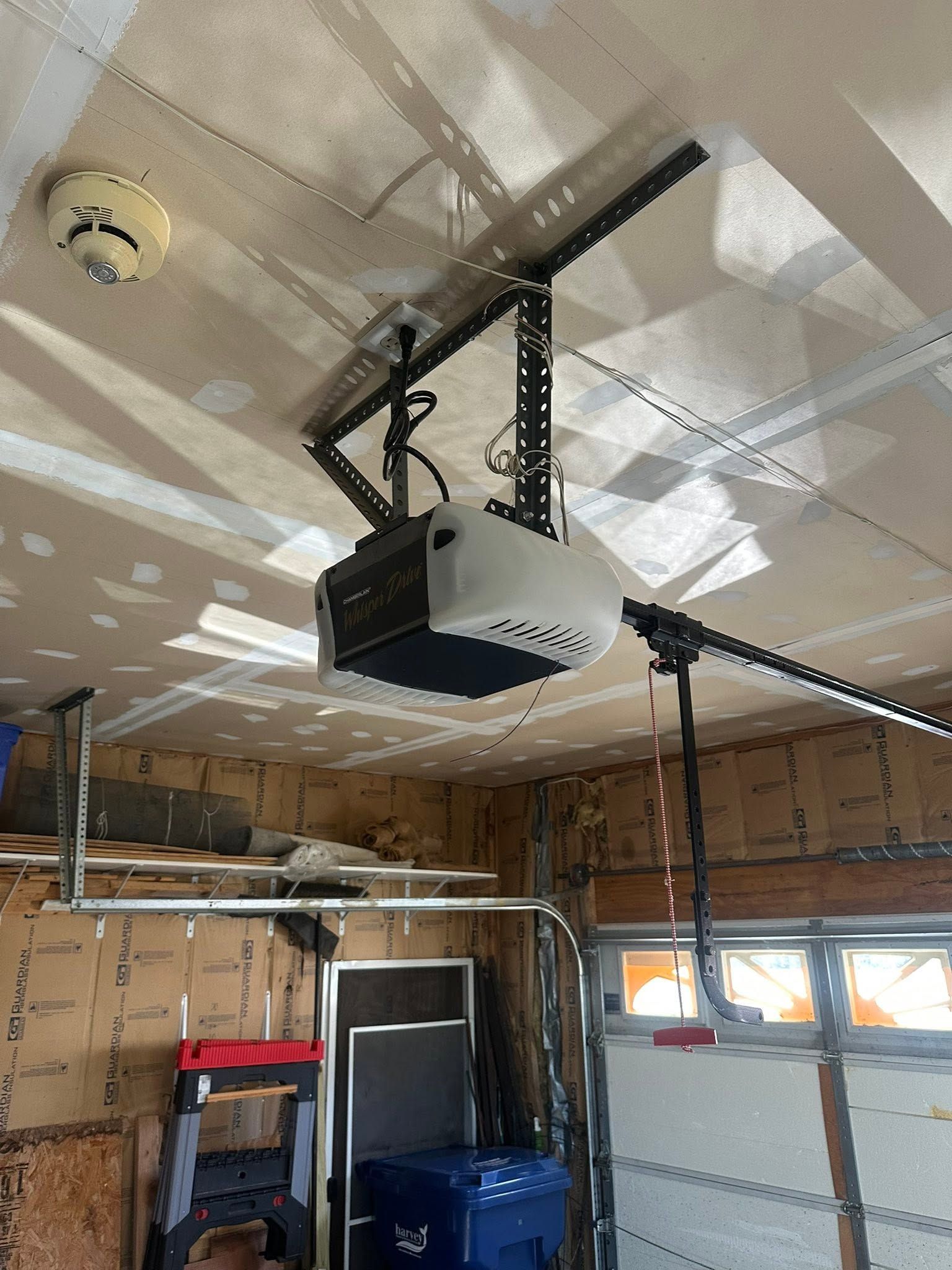
Modern garage door openers feature built-in safety mechanisms designed to detect force resistance. If the opener senses that it has to pull more than a few pounds of weight, it will automatically stop, reverse direction, or click its lights to warn you of a mechanical obstruction. If your opener motor starts up, moves the door an inch or two, and then immediately shuts off, the drive system is telling you that the springs are no longer lifting their share of the load.
Ignoring this warning and repeatedly pressing the wall button can strip the internal nylon drive gears inside your opener housing, burn out the electric motor, or tear the metal mounting bracket directly off the top section of the door. An opener is designed to guide a balanced door, not force a deadweight object off the garage floor against gravity. Rather than causing severe structural damage to your motorized unit, have a qualified technician safely evaluate the entire counterbalance system. Established local garage door companies carry specialized winding tools, calibrated tension meters, and heavy-duty replacement hardware to test spring balance accurately, adjust system tension, and quickly restore effortless automated operation to your home.
When you notice any of these warning signs, prompt action prevents sudden property damage and keeps your property safe. Superior Overhead Door offers comprehensive residential garage door services, commercial garage door solutions, automatic garage door opener installation and service, and full system maintenance programs. Trust the dedicated team at Superior Overhead Door to inspect, repair, or replace your springs with factory-authorized parts and get your door operating smoothly again.







Share On: