
The Most Common Garage Door Materials and Which Is Right for You
By Craig Costa | November 16, 2026
The exterior facade of a residence serves as the primary visual anchor for architectural character, aesthetic harmony, and property value. When evaluating residential infrastructure, few structural elements command as much physical presence or functional importance as an overhead entryway. An improper selection can diminish exterior curb appeal, compromise building envelope thermal integrity, and result in substantial ongoing operational expenses. Modern architecture demands that exterior installations withstand punishing atmospheric exposure, resist mechanical fatigue, and provide dependable physical security across all operational cycles. Consequently, residential property owners must weigh material longevity, climatic conditions, and maintenance obligations when selecting an appropriate garage door for their residence.
Navigating the marketplace requires an understanding of how distinct base materials perform across different environmental contexts. Heavy precipitation, high humidity, intense ultraviolet exposure, and drastic temperature swings impose unique physical stresses on building components. Metal alloys, natural organics, and engineered synthetics respond differently to seasonal humidity, severe impact, and thermal conductivity. Professional installation and scheduled mechanical maintenance ensure optimal counterbalance and smooth track travel regardless of the core composition selected. Identifying the optimal solution involves balancing long-term performance expectations, thermal insulation ratings, and decorative exterior finishes against architectural styles and initial budgetary parameters.
Evaluating Metal Varieties for Resilience and Security
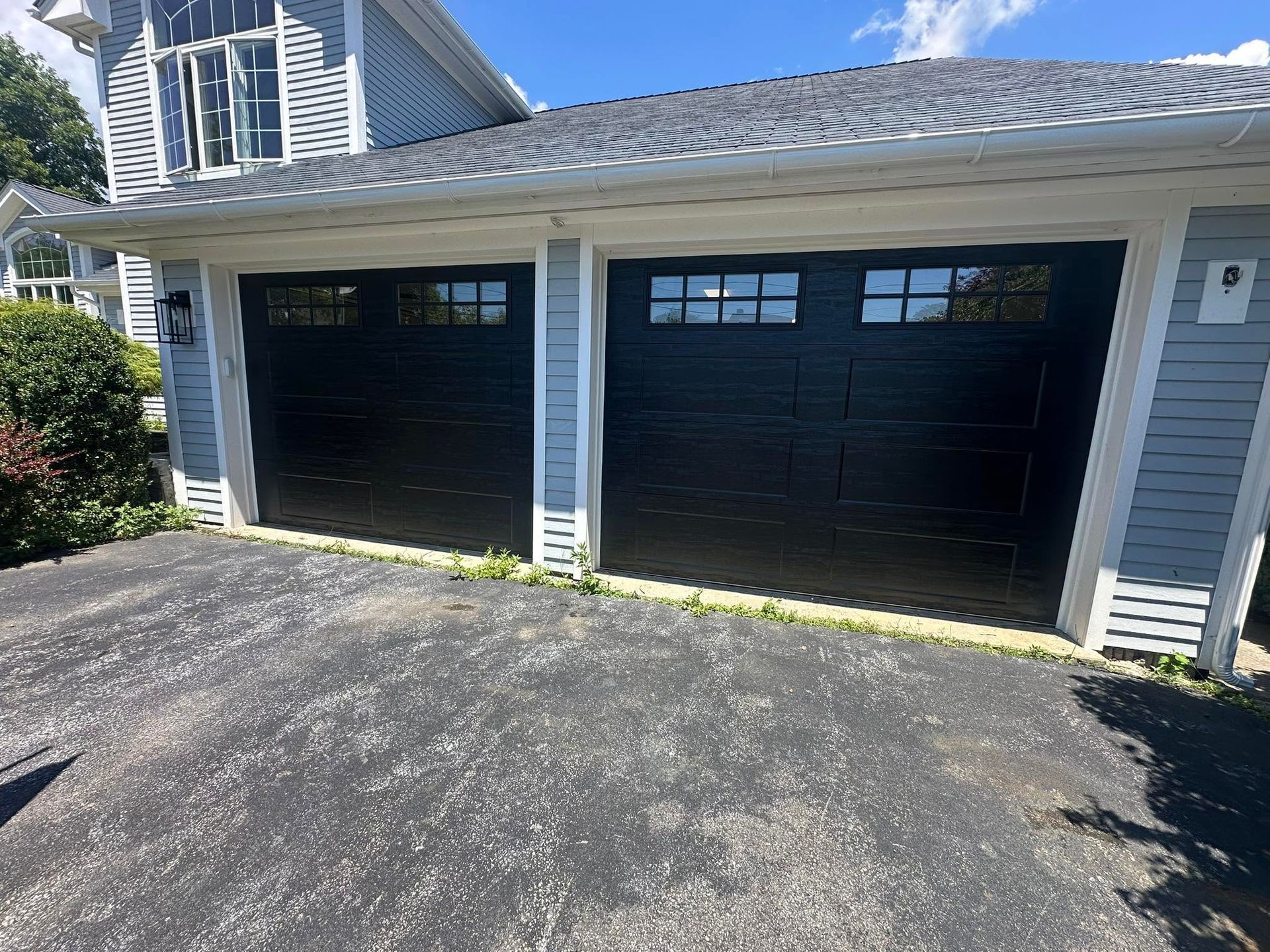
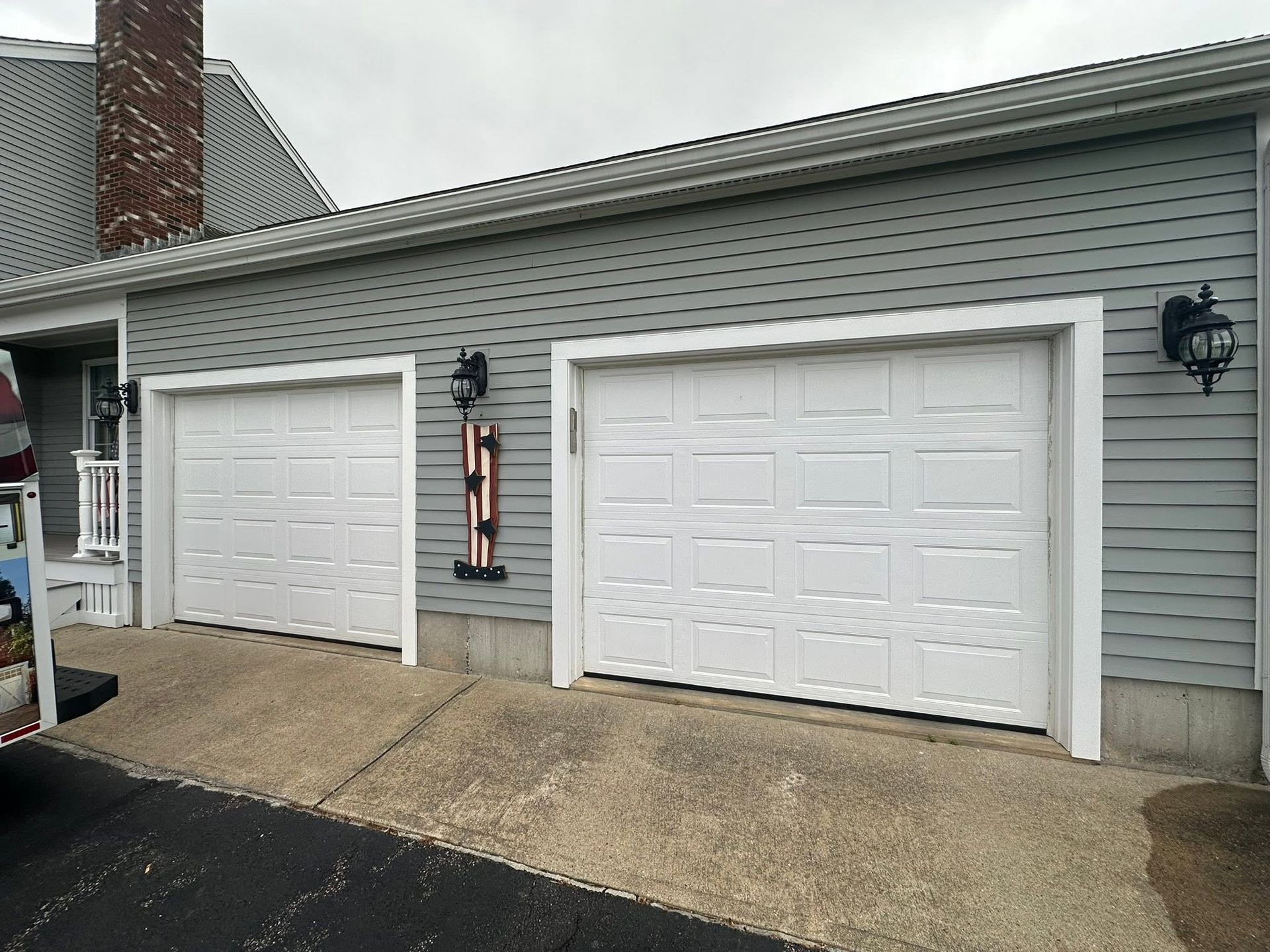
Metallic entryways represent the standard in contemporary residential construction due to exceptional structural resilience and security against forced entry. Highly treated alloys resist intrusion, endure strong wind loads, and maintain operational integrity across decades of continuous cycling. Advanced processing allows modern metal panels to receive factory-applied finishes that resist surface degradation and scratching. These units can incorporate dense insulation cores, substantially reducing thermal transfer and operational vibration. They typically come in galvanized and insulated varieties; steel doors provide both security and energy efficiency. According to Today's Homeowners, garage doors range from just over one inch to more than three inches thick, emphasizing variations in insulation and sturdiness. Homeowners looking for a long-lasting and secure option often select steel for its resilience and reliability, making it a prevalent choice among urban households.
Aluminum alloys offer another viable metal path, particularly for installations where structural weight, ease of balance, and corrosion resistance are primary considerations. Because aluminum is naturally rustproof, it functions effectively along coastal shorelines where marine atmospheric conditions rapidly corrode lesser alloys. The light weight of extruded aluminum profiles minimizes cycle stress on heavy-duty torsion springs, lift cables, and automated motorized drive systems, thereby extending overall mechanical lifespan. Exterior finishes frequently include protective anodization or electrostatically applied powder coats that withstand extensive sun exposure without fading or peeling. Architects frequently integrate broad tempered glass lites into these lightweight structural frames, welcoming natural sunlight into contemporary interiors while achieving a clean, modern aesthetic.
Appreciating Natural Wood for Organic Visual Elegance
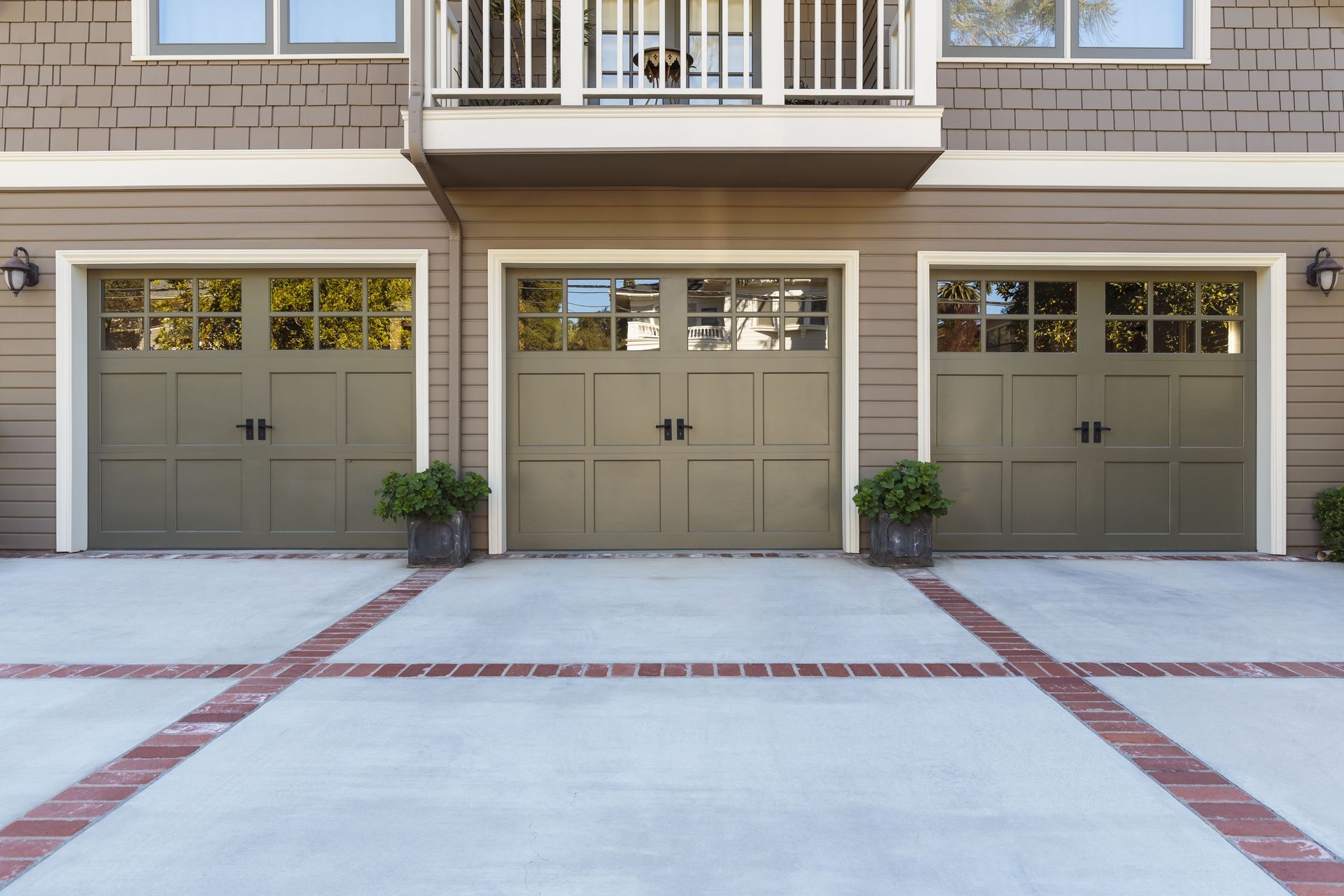
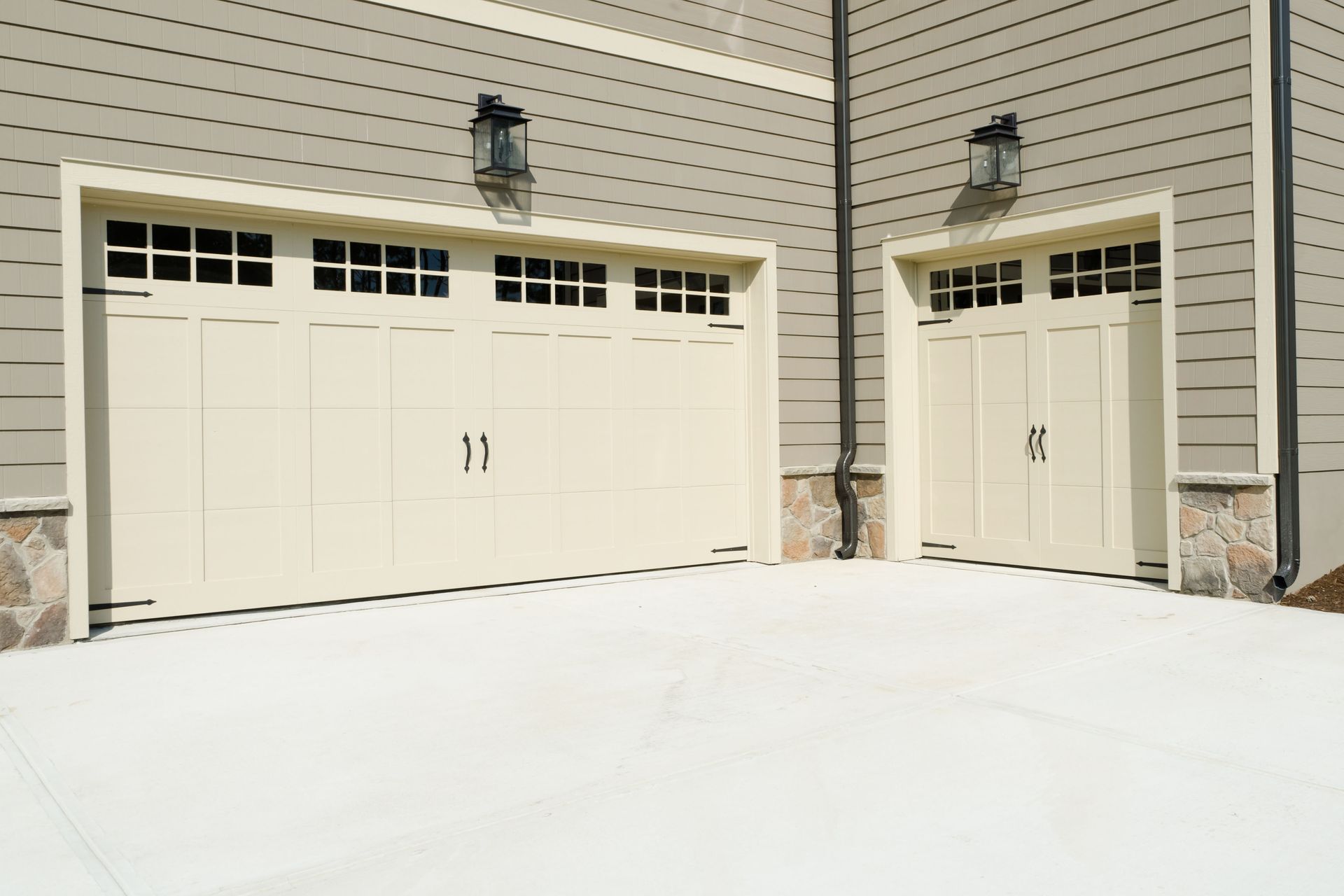
Natural timber panels deliver unmatched organic beauty and classic architectural refinement that synthetic products attempt to replicate. Fine wood species such as Western red cedar, dense mahogany, Spanish cedar, and select white oak bring distinct grain patterns, warm hues, and custom woodworking possibilities to historic homes. Craftsmen can shape millwork profiles, incorporate hand-hewn raised panels, and integrate authentic decorative iron clavos to match specialized architectural motifs. Natural timber possesses an internal cellular structure that offers inherent thermal buffering against sound and temperature changes. A custom-built wood garage door transforms an ordinary residential exterior into a bespoke architectural statement, elevating property distinction and perceived neighborhood standing.
Despite its exceptional visual appeal, natural lumber requires committed professional maintenance to protect against environmental degradation. Exposure to torrential rain, heavy snowpack, and cycling humidity can lead to moisture absorption, swelling, rot, or panel warping if protective barriers fail. To ensure lasting service life, exterior woodwork must receive regular applications of protective water-repellent stains, marine-grade varnishes, or high-performance exterior enamels applied by certified technicians. Regular inspections help identify early signs of fungal decay or insect infiltration before structural deterioration occurs. When maintained correctly through comprehensive seasonal service plans, authentic wooden assemblies retain their classic visual appeal and structural beauty across generations.
Exploring Synthetic Composites for Environmental Endurance
Engineered composite assemblies combine the timeless appearance of real wood with the resilient properties of synthetic materials. These advanced composite products feature dense structural cores clad in molded resin overlays, fiberglass-reinforced skins, or recycled wood-plastic matrix components. Fabricators cast composite faces directly from authentic timber boards, capturing subtle grain variations, authentic rough-sawn textures, and natural timber details without cutting down old-growth forests. The resulting overhead panels resist rot, cracking, splitting, and biological pest infestation. Investing in a composite garage door provides homeowners with the luxurious visual warmth of carved timber alongside the minimal maintenance demands of synthetic construction.
The high-performance core layers inside composite panels deliver exceptional thermal control, frequently outperforming basic single-layer natural wood designs. Polyurethane insulation injected into internal voids achieves substantial thermal resistance ratings, keeping adjacent living areas comfortable during extreme weather. Furthermore, high-grade polymers resist moisture intrusion and salt spray corrosion, making composite panels ideal for challenging environments that deteriorate real timber. Although initial investment costs remain higher than basic steel alternatives, composite assemblies eliminate recurring stripping, sanding, and restaining expenses. Over the lifespan of the home, this balance of elevated aesthetics and physical durability delivers measurable functional value.
Selecting Specialized Fiberglass and Molded Vinyl Systems
Synthetic fiberglass and polyvinyl chloride panels offer targeted answers for specific climatic and functional requirements. Fiberglass components feature molded exterior surfaces bonded to rigid interior insulation frames, producing panels that are lightweight, durable, and dent-resistant. Fiberglass panels hold fine textures and paint coats cleanly, allowing smooth operation and reduced mechanical wear on lift systems. However, extreme sub-zero cold can make older synthetic fiberglass formulations brittle, which makes professional material selection critical for northern climates. With proper ultraviolet protective coatings, these panels withstand sun exposure without chalking, providing decades of steady service in moderate regions.
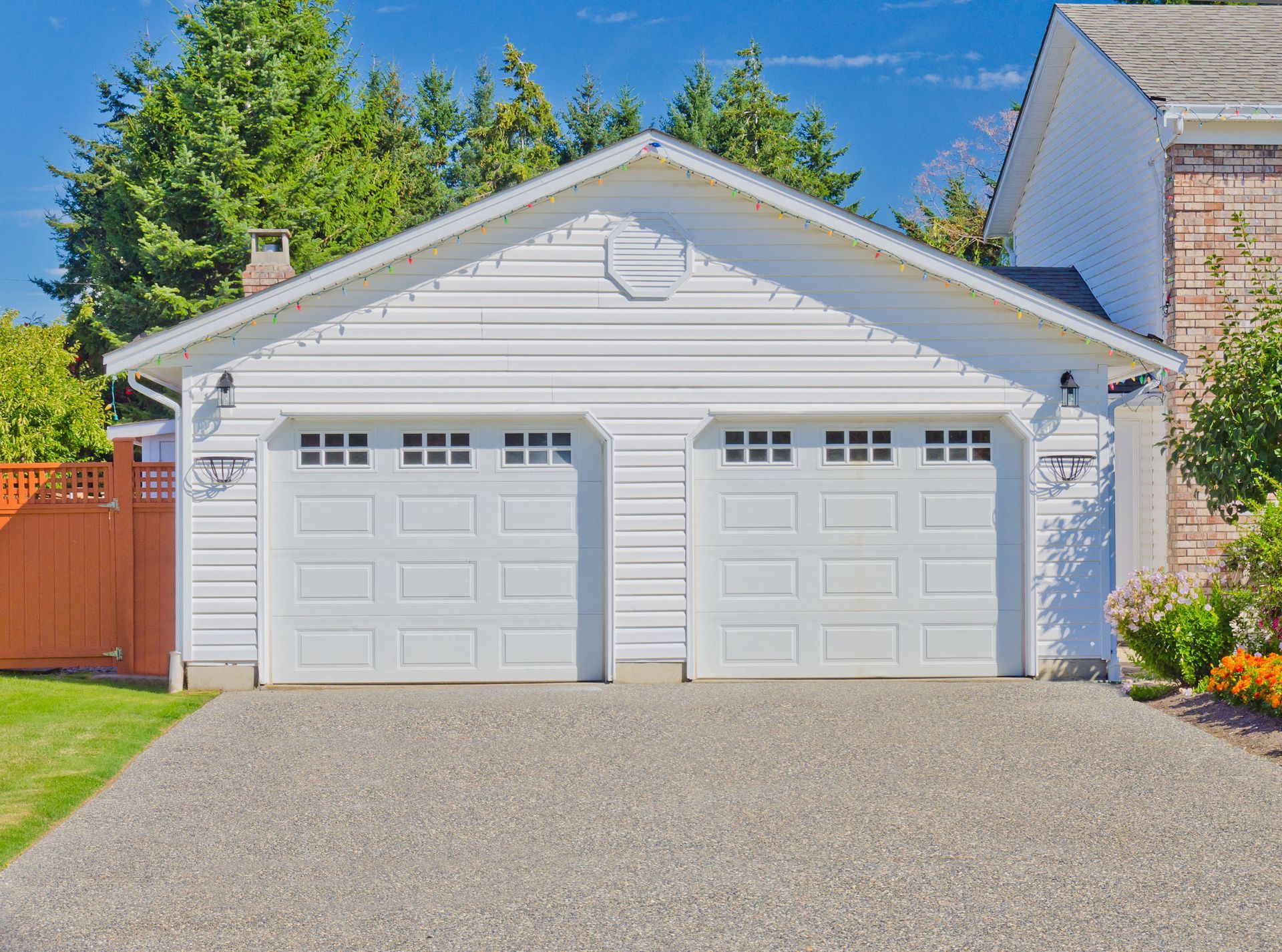
Polyvinyl chloride vinyl units deliver remarkable impact resilience and weather resistance, serving as excellent choices for households with active driveways. Solid vinyl panels do not rust, split, rot, chip, or show scratched metal undercoats because pigment extends entirely through the material thickness. This resilience makes vinyl panels popular in windy coastal areas subject to airborne sand, moisture, and debris. Insulated vinyl assemblies absorb daily physical wear without denting, functioning smoothly with simple annual cleanings and mechanical inspections. By selecting an appropriate vinyl garage door, homeowners secure reliable, low-stress operation that preserves its visual finish through seasonal storms and harsh conditions.
Optimizing Thermal Insulation and Operational Longevity
Beyond exterior cladding choices, selecting the right internal insulation system determines whole-home energy conservation and indoor comfort. Uninsulated barriers conduct outdoor heat and cold into attached garages, causing conditioned indoor air to escape through connecting interior walls and ceilings. Modern manufacturing utilizes expanded polystyrene boards or pressure-injected closed-cell polyurethane foam to build continuous thermal barriers across panels. Polyurethane foam bonds directly to exterior faces, creating a rigid composite sandwich that increases torsional strength and reduces operational resonance.
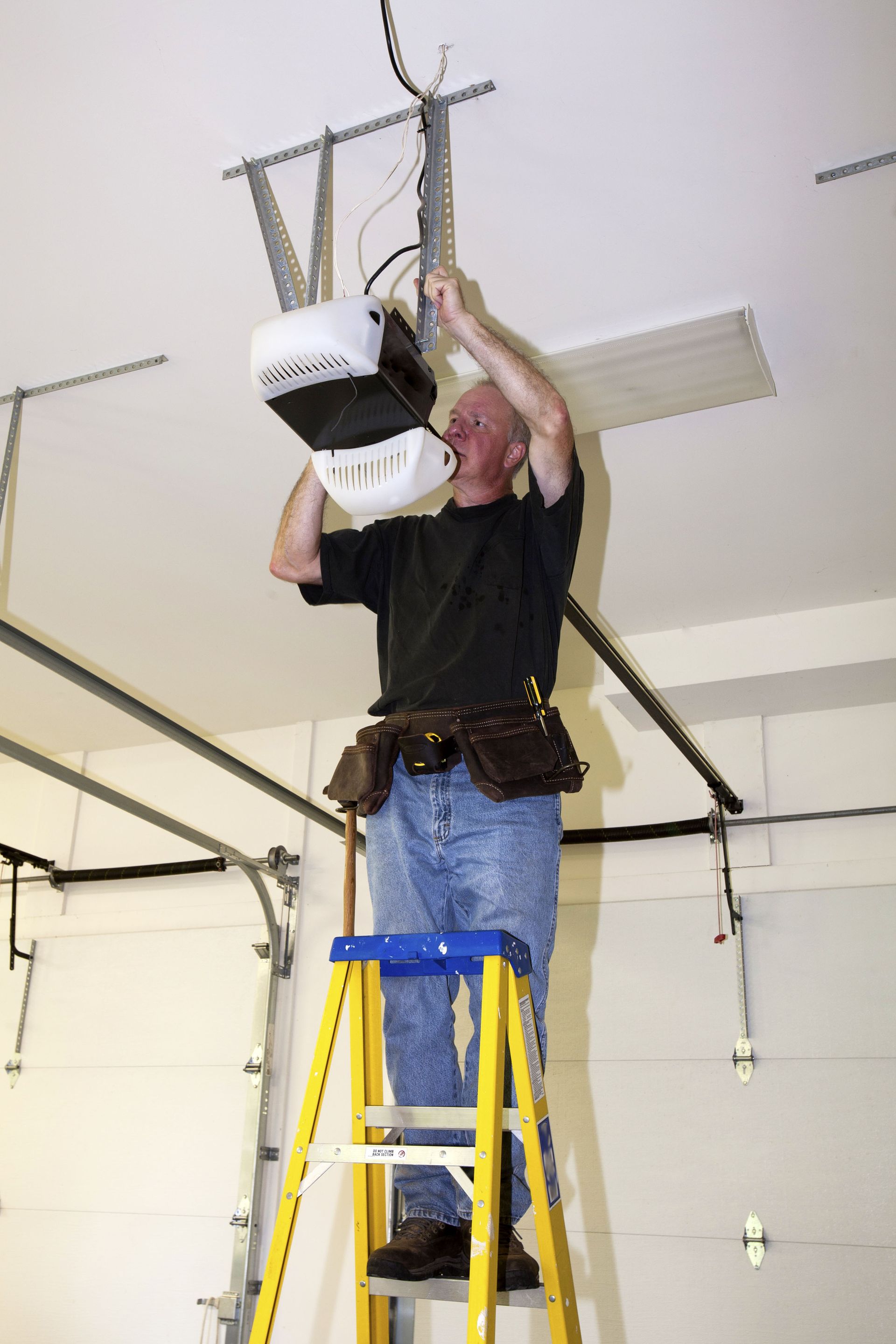
Long-term performance relies entirely on high-grade mechanical running gear and professional alignment rather than exterior appearance alone. Torsion springs, steel tracks, nylon rollers, and reinforced lift cables endure thousands of operating cycles under tension. Substandard tracks or uncalibrated spring tension can cause premature opener motor failure, track binding, and hazardous mechanical drop risks. Choosing thick commercial-grade tracks, heavy-duty hinges, and precision ball-bearing rollers ensures smooth, quiet travel. Homeowners maximize their investment through periodic professional safety audits that check spring balance, test photoelectric reversal sensors, lubricate bearings, and replace weatherstripping before air gaps form.
Properly outfitting an exterior facade requires balancing architectural vision, structural engineering, and regional climate demands. Each material option provides unique advantages, whether seeking the rugged strength of insulated steel, the marine resistance of aluminum, the luxury of timber, or the stability of modern composites.
For homeowners seeking expert installation, durable materials, and precision repair services, the professional team at Superior Overhead Door delivers industry-leading solutions for every architectural style. Our certified technicians evaluate regional weather conditions, architectural profiles, and thermal performance requirements to recommend the ideal overhead installation for your property. Whether you require a full upgrade to a high-efficiency insulated system, an authentic custom carriage-house build, or preventative mechanical maintenance, our specialists execute every project with precision and skill. Contact us today to schedule your comprehensive on-site consultation and discover how a custom
garage door can enhance the beauty, efficiency, and security of your home.







Share On: